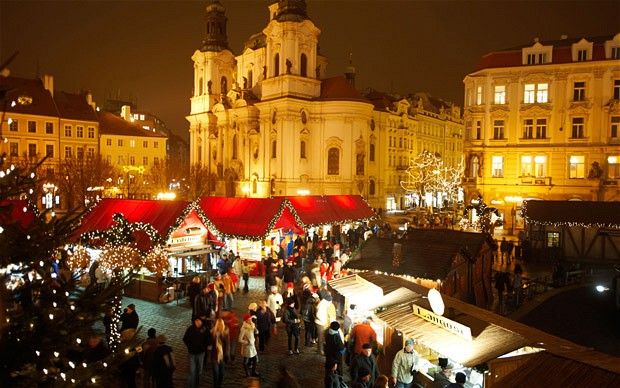
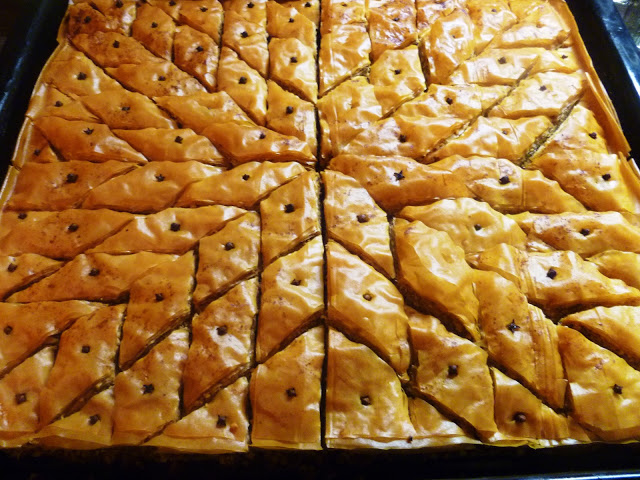
People in Greece celebrate Christmas in a quite different way than people in Slovakia. This is caused by different geographical, cultural and religious background. Probably the most interesting traditions are those that are connected with sea, sea life and sailors. It is something that we really miss. The strangest custom from the past is decorating a wooden boat instead of a Christmas tree. However, we like it very much. Another tradition that „freezed“ us was jumping, diving and reaching the cross from or in the sea which is really exciting. We have also noticed that Greek children sing a lot of carols and dedicate a few days to this nice tradition. In both countries Christmas is a festival of love, peace, family life and giving, not only gifts . While in Slovakia the presents are brought by Ježiško on Christmas Eve, in Greece they are brought by St. Basil on New Year´s Eve. And finally we can´t forget to mention the traditonal sweet meal called Μπακλαβάς „baklavas“. It has become widely popular and „cooked“ in Slovakia recently. But here we consider it to be something trendy, popular rather than traditional.
Saint Nicholas Day – December 6
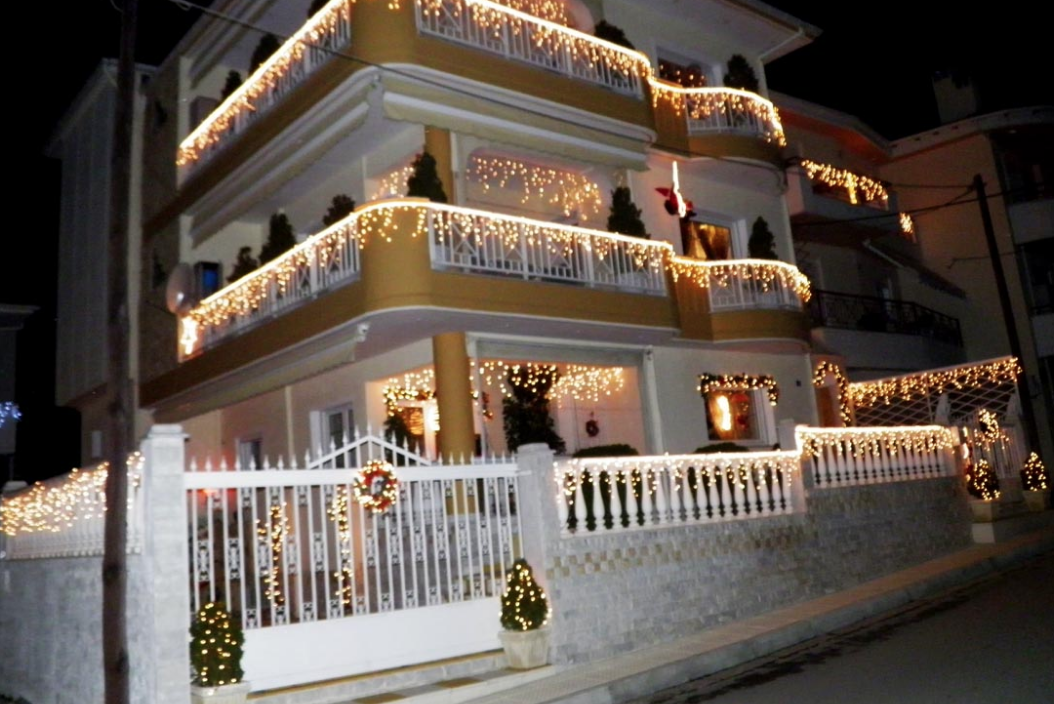
On Saint Nicholas Day people in Greece usually start decorating their houses.
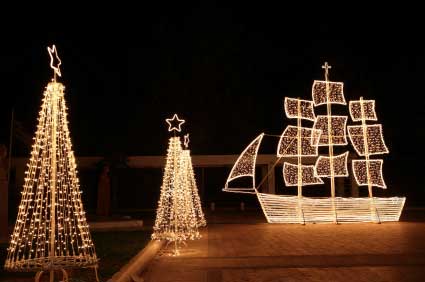
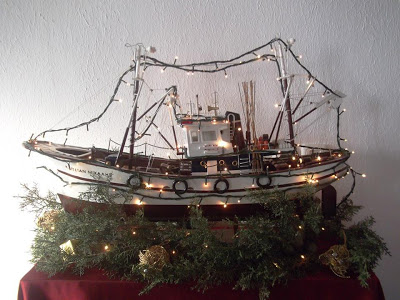
Saint Nicholas is the protector of sailors and for this reason people used to decorate small wooden boats for Christmas.
However, most people decorate trees nowadays.
.jpg)
Christmas Eve – December 24
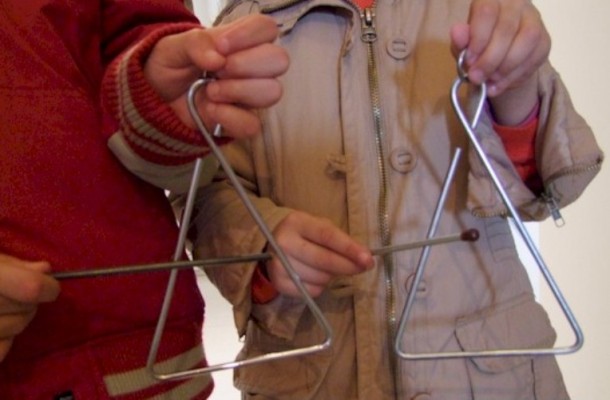
On Greek Christmas Eve, children get up early and they often go out singing “kalada” (carols, such as Kalin Emeran) in the streets. They play triangles as they sing and sometimes they also carry model decorated boats. If the children sing well, they might be given money or sweets.
Christmas Day - December 25
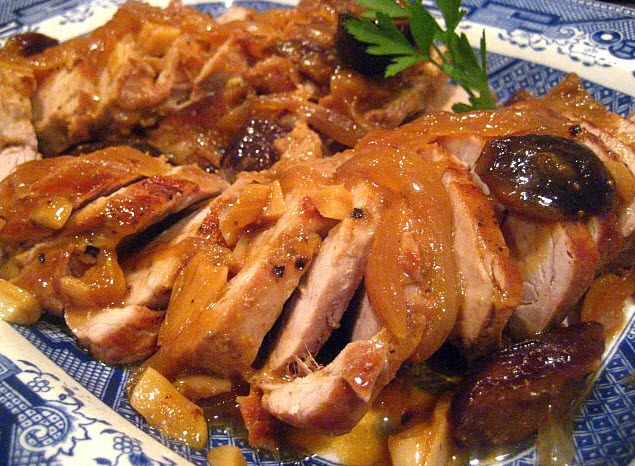
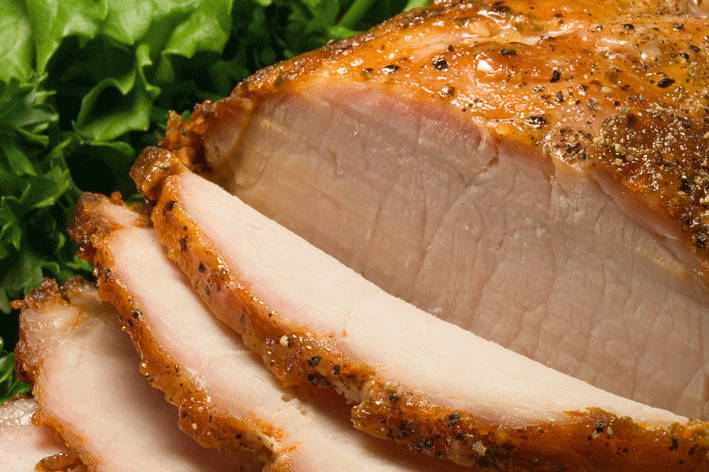
On Christmas day all religious people go to the 5 o’clock service. Then they get back home and prepare the Christmas Day meal which is either roast pork or turkey stuffed with walnuts, chestnuts and rice.
Melomakarona (Mελομακάρονα) and kourabiedes(Κουραμπιέδες) are the most popular Christmas desserts.
.jpg)
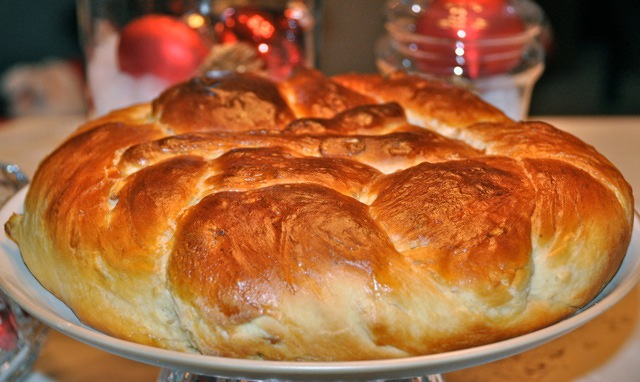
Christopsomo is the bread which has a cross carved into the top crust before it is baked. On Christmas Day, the head of the household makes the sign of the cross above the loaf of bread, cuts it and gives a piece to each person at the dining table.
New Year´s Eve - December 31
On New Year’s Eve children sing the carol “Archi minia ki archi chronia” ( First day of the month, first day of the year) and can’t wait for the night to come. That is because Saint Basil(Άγιος Βασίλης (Agios Vasilis)) from Caesarea and not Saint Nicholas is the one who brings the gifts when the New Year comes.
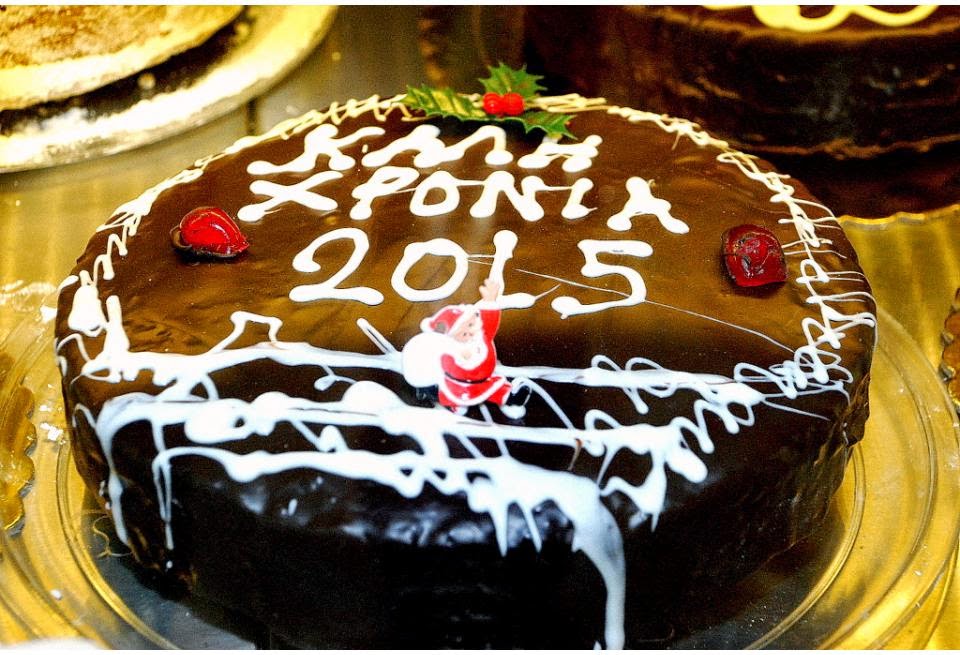
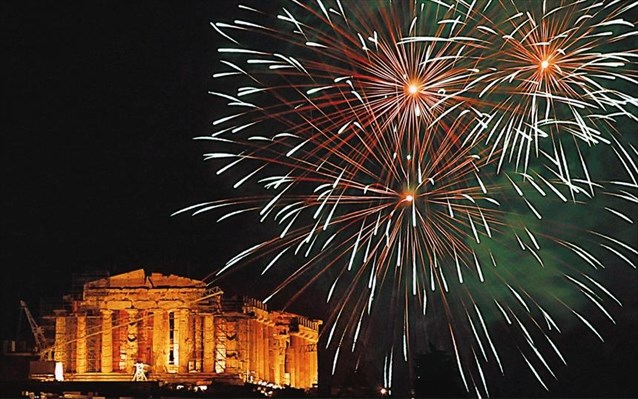
In the evening people gather in houses and while waiting for the New Year to come they dance, laugh, play cards. When the clock turns 12 everybody cheers and exchanges wishes. The head of the house cuts the Vasilopita cake which has a coin hidden in it. The one who finds the coin is considered to be lucky for the rest of the year.
The first meal of the year is meat- usually lamb or pork
and the traditional dessert is baklavas.
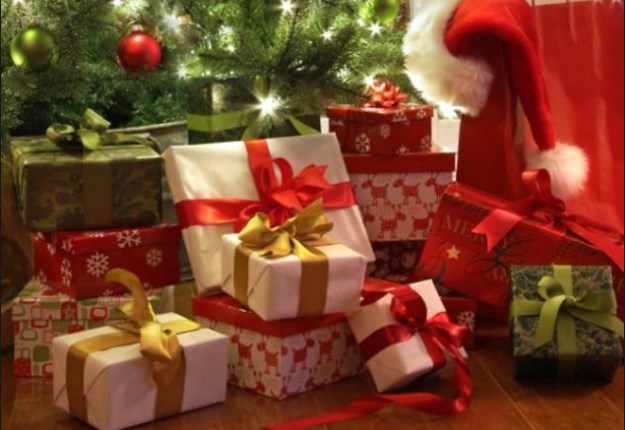
After eating, members of the family exchange gifts. In big cities many Greeks spend the night in restaurants, music clubs or hotels with live music and floor shows.
Eve of Epiphany - January 5
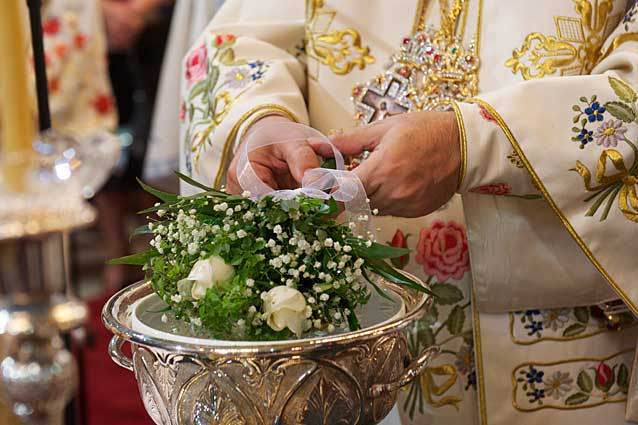
Some children go from house to house and sing carols. Priests visit houses and bless the houses and their residents.
Epiphany - January 6
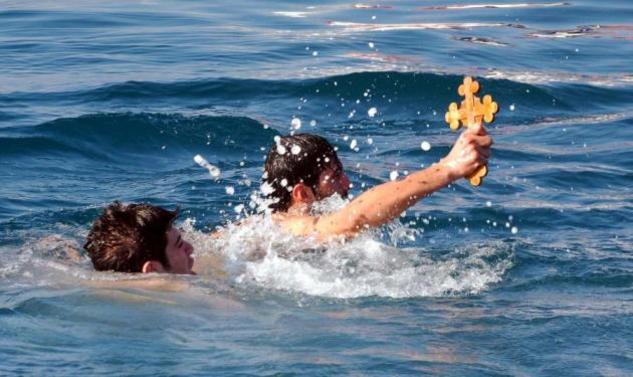
On this day, waters are blessed and the priest throws a cross into the waters. Young men dive into the freezing water to catch it. The one who reaches it first is blessed and will have good luck.
Saint Ioannis’ (John’s ) Day - January 7
It is the last day of Christmas holidays – Schools start on January 8. People visit friends and relatives who have their name day (Ioannis – Giannis (John) and Ioanna – Gianna (Joanna). A lot of men in Greece are named Ioannis.
Two very interesting videos created by our Greek friends.
-Eta; -tau;-alpha;-iota;-nu;ί-alpha; -mu;-omicron;-upsilon;.mp4 (4,5 MB)